
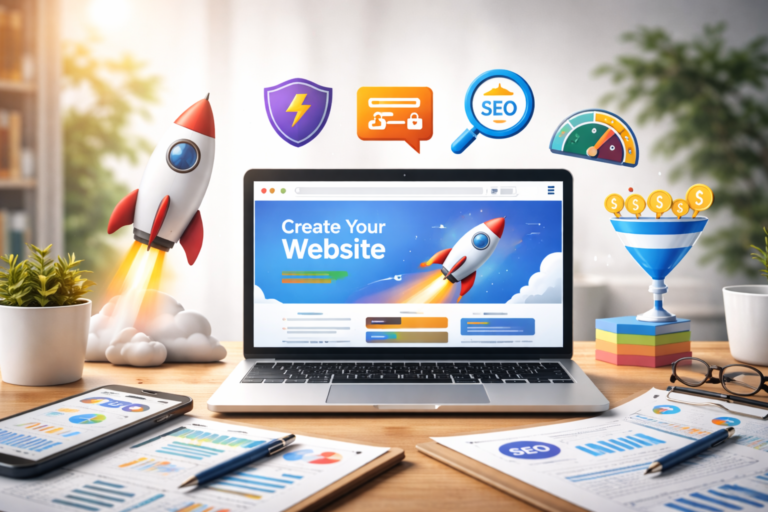
Starting a website today is easier than ever, but beginners often get overwhelmed by the number of tools involved. Hosting, website builders, SEO plugins, speed optimization, and marketing tools all play a role in building a successful website.
The good news is you don’t need technical skills to get started. With the right tools, anyone can launch a professional-looking website, blog, or business site in just a few steps.
In this guide, we’ll walk through the essential tools you need to launch and grow a website in 2026.
Table of Contents
ToggleStep 1: Domain and Hosting - Your Website Foundation
Before anything else, you need two things:
A domain name — your website address (example: yoursite.com)
Web hosting — the server space where your website files live.
Today, many modern hosting providers make this process much easier by bundling everything together. For example, platforms like Hostinger provide an all-in-one solution designed especially for beginners and small businesses.
Modern hosting plans often include:
• Free domain for the first year (on many plans)
• Reliable and fast website hosting
• Business email accounts
• One-click website and CMS installation
• Built-in security and backups
• Website builder options for non-technical users
This means beginners usually don’t need to buy domain and hosting separately. With providers like Hostinger, you can get everything in one place and start building your website quickly and affordably.
Step 2: Website Builder or CMS
Once hosting is set up, you need a way to design your website and manage your content.
Many hosting providers offer multiple options depending on your experience level. Beginners can use built-in website builders for fast setup, while more advanced users can install content management systems like WordPress if they want more customization.
Website builders and CMS platforms allow you to create:
• Landing pages
• Blogs
• Business websites
• Portfolio sites
• Online stores
Many modern tools now include drag-and-drop editors, which remove technical barriers and allow beginners to focus on content, design, and growing their website instead of dealing with complex coding.
Step 3: SEO Tools to Get Found Online
Launching a website is only the beginning. You also need visitors.
SEO (Search Engine Optimization) tools help your pages appear on Google when people search for related topics.
SEO plugins help you:
• Optimize titles and descriptions
• Improve keyword usage
• Fix technical SEO issues
• Create sitemaps for search engines
• Improve readability and structure
These tools guide beginners step-by-step, making SEO much easier to understand and implement.
Step 4: Website Speed Optimization
Website speed now directly affects both user experience and search rankings. Slow websites cause visitors to leave quickly, reducing conversions and traffic.
Speed optimization tools automatically improve performance by:
• Compressing images
• Optimizing code files
• Using caching systems
• Delivering content faster worldwide
The best part is that many tools handle this automatically without technical setup.
Step 5: Marketing and Funnel Tools
If you plan to sell products or services, you’ll eventually need marketing tools to convert visitors into customers.
Marketing platforms allow you to:
• Build landing pages
• Create sales funnels
• Capture email leads
• Automate follow-ups
• Sell products or courses
Beginners don’t need these immediately, but they become valuable once traffic starts growing.
Recommended Beginner Setup
If you’re just starting, here’s a simple path:
Get hosting + domain
Install WordPress
Use a page builder to design pages
Add an SEO plugin
Improve website speed
Add marketing tools later
You don’t need everything at once. Build step-by-step.
Final Thoughts
Building a website no longer requires coding or technical expertise. With modern tools, beginners can launch professional websites quickly and improve them step by step over time.
The key is starting with the basics and adding tools only when needed. As your website grows, you can gradually improve design, SEO, speed, and marketing performance.
If you’d like help choosing the right tools, check out our detailed reviews of website building and optimization platforms below, where we break down features, pricing, and real-world use cases to help you decide what fits your needs.
We’ll also continue reviewing more website tools and beginner-friendly solutions in upcoming articles, so stay tuned if you’re planning to build or grow your own website.